
 US domestic steroids - no customs
 Fast USA delivery
 Buy original steroids online USA
Understanding Hormone Recovery After Steroid Use: Restoring Testosterone and Achieving Balance
Testosterone recovery typically involves Post Cycle Therapy (PCT), which uses specific medications and strategies to stimulate the body’s natural hormone production. Without proper intervention, natural testosterone levels can remain suppressed for months or, in severe cases, require long-term treatments. Addressing this recovery process is critical for restoring balance and preventing lasting side effects caused by hormonal suppression.
Understanding the timeline for full recovery is complex, as it can range widely from weeks to several months. People recovering naturally may need extended periods for their testosterone levels to normalize, while those using targeted therapies often experience faster results. By learning how the body’s hormone systems respond and what steps can support recovery, individuals can better navigate the challenges of rebalancing their hormones after steroid use.
Understanding Hormonal Suppression After Steroid Use
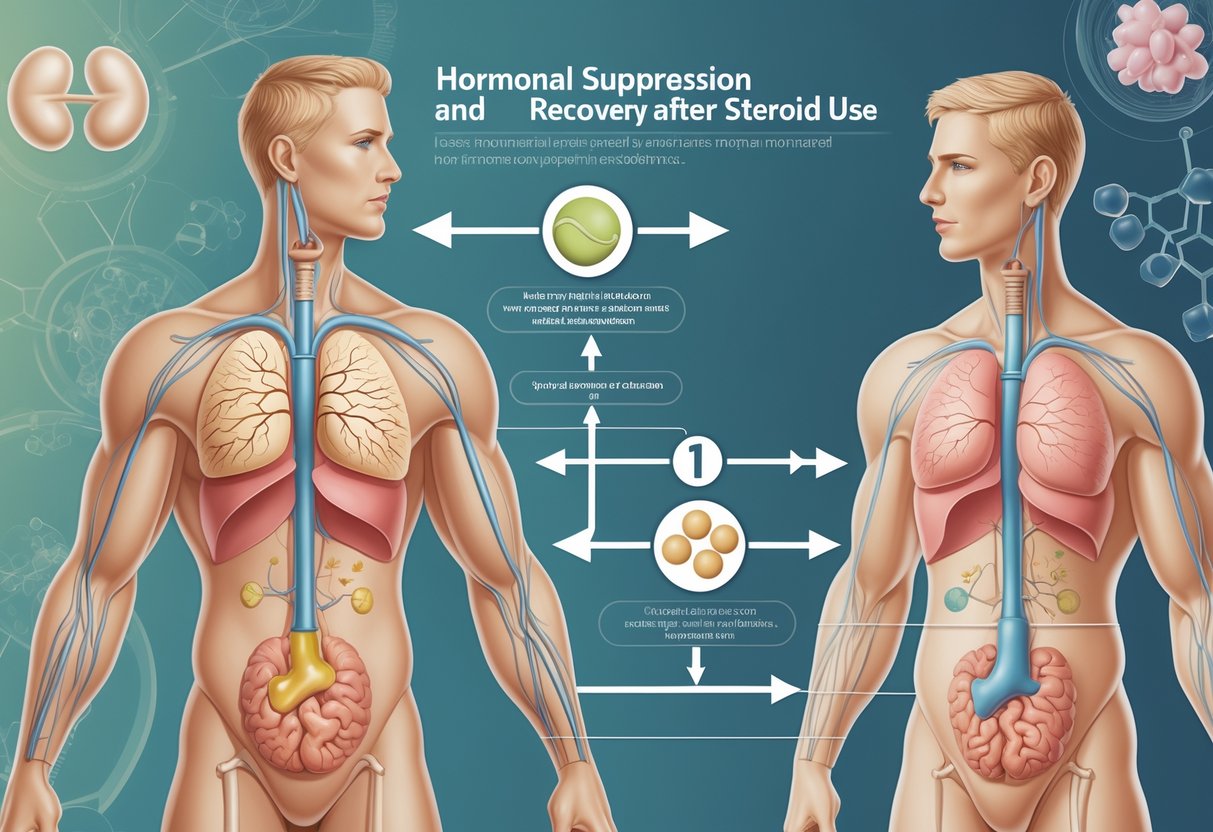
Steroid use affects the body’s ability to produce hormones naturally, especially testosterone. This suppression usually occurs due to disruptions in endocrine functions, which can differ in severity based on the type, dosage, and duration of steroid use. The sections below address key biological mechanisms and the impacts on the hormonal system.
Mechanisms of Endogenous Testosterone Suppression
Anabolic steroid use elevates synthetic hormones in the body, signaling the brain to reduce its production of natural testosterone. This occurs primarily through negative feedback loops, which are the body’s way of regulating hormone levels.
Excess synthetic testosterone inhibits the hypothalamus and pituitary glands, reducing their release of gonadotropins such as luteinizing hormone (LH) and follicle-stimulating hormone (FSH). These hormones are crucial for signaling the testes to produce testosterone. With suppressed gonadotropins, natural testosterone production slows or halts completely.
This suppression may vary depending on dosage and the strength of the steroid compound. Strong suppressive agents like trenbolone cause more significant hindrance to testosterone production than milder steroids like testosterone itself. Prolonged use often compounds these effects.
Impact on the Hypothalamic-Pituitary-Gonadal Axis
The hypothalamic-pituitary-gonadal axis (HPG axis) governs hormone regulation and reproductive health. Steroid usage disrupts this axis by interfering with the communication between the hypothalamus, pituitary gland, and gonads.
When synthetic hormones flood the body, the hypothalamus reduces the secretion of gonadotropin-releasing hormone (GnRH), which triggers the pituitary to lessen its production of LH and FSH. This cascade directly suppresses testicular activity, creating hormonal imbalances and impairing reproductive functions.
Extended suppression of the HPG axis can lead to decreased sperm production, testicular shrinkage, and, in some cases, difficulties in regaining hormonal equilibrium after discontinuing steroid use. Early intervention with post-cycle therapy (PCT) minimizes these effects, restoring normal function more effectively.
Short-Term vs. Long-Term Suppression Effects
Short-term suppression typically occurs with mild cycles or lower doses of steroids. After discontinuation, the HPG axis often rebounds more quickly, restoring natural testosterone production within weeks. Symptoms may include temporary fatigue, low libido, or mild mood swings during recovery.
Long-term suppression is more concerning as prolonged steroid use can require months or longer for full hormonal restoration. Chronic suppression risks leading to conditions such as hypoandrogenism or infertility, especially if post-cycle therapy is delayed or absent. Severe cases may even need medical treatments like hormone replacement therapy.
Factors like age, genetics, and health status can influence recovery time. Individuals engaging in repeated, heavy steroid cycles face greater challenges in regaining hormonal balance. Addressing these effects promptly is crucial for preventing lasting complications.
Phases of Hormone Recovery
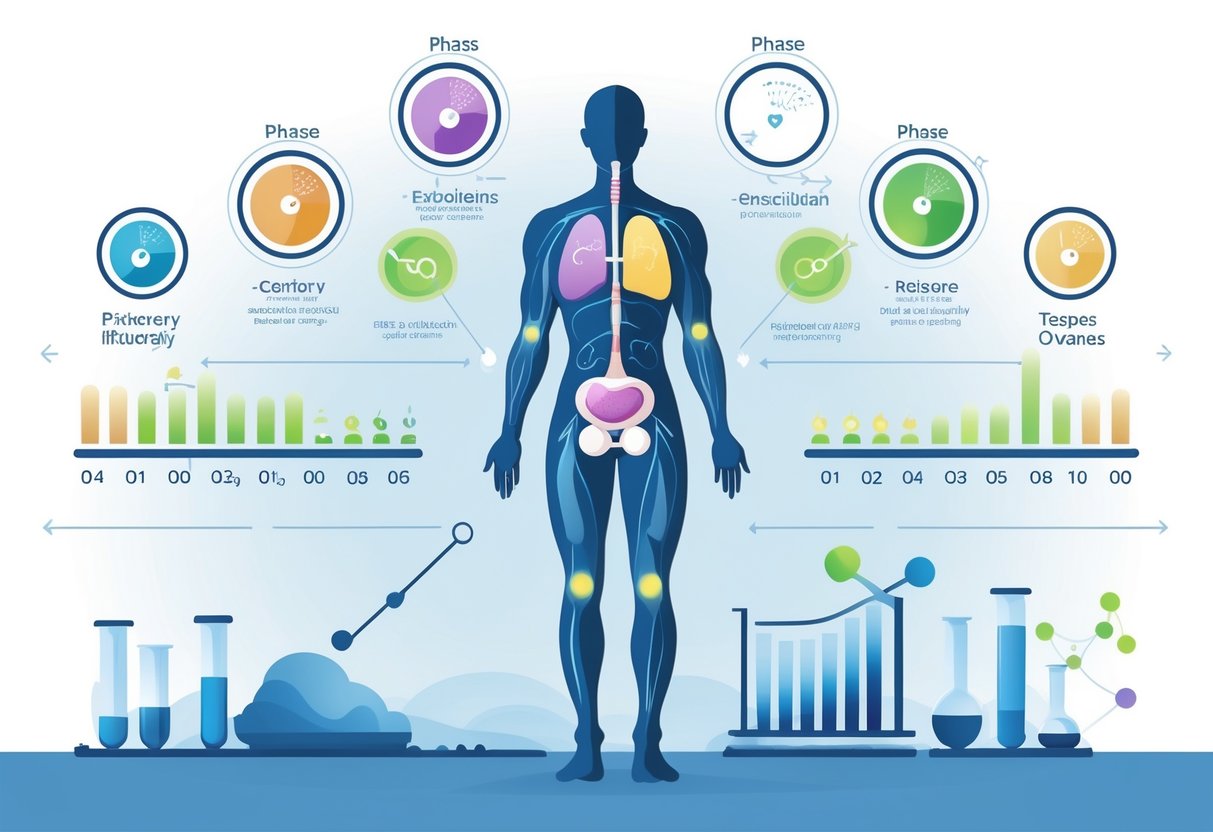
Hormone recovery after a steroid cycle involves critical phases that address initial suppression, gradual restoration, and the role of external and internal factors. Each phase is essential for restoring natural balance and ensuring proper endocrine function.
Immediate Post-Cycle Hormonal Changes
During the immediate aftermath of a steroid cycle, the body experiences severe suppression of natural testosterone production. Exogenous steroid use disrupts the hypothalamic-pituitary-gonadal (HPG) axis, altering luteinizing hormone (LH) and follicle-stimulating hormone (FSH) release. This disruption drastically reduces testosterone levels, leaving the endocrine system inactive.
In this stage, estrogen levels often remain elevated due to the aromatization process. Increased estrogen can lead to side effects such as water retention or gynecomastia. Selective estrogen receptor modulators (SERMs) play a critical role in controlling estrogen levels while initiating testosterone recovery.
Blood testing is vital during this phase to assess hormone levels accurately. This ensures that therapy is tailored to the severity of suppression and helps determine whether medications like SERMs or human chorionic gonadotropin (hCG) are needed.
Gradual Restoration of Endocrine Function
The restoration phase can span weeks or months, depending on factors like the type, duration, and dosage of steroids used. The pituitary gland begins to regain its ability to produce LH and FSH, signaling the testes to resume testosterone synthesis. However, this process is slow and often incomplete without structured intervention.
Natural recovery mechanisms may involve the gradual rebalancing of neurotransmitters, including gonadotropin-releasing hormone (GnRH). External support such as PCT protocols—typically involving SERMs and aromatase inhibitors—is commonly employed to speed up recovery and prevent prolonged suppression.
During this stage, individuals should monitor progress through regular testing. Lifestyle factors, including diet, sleep, and exercise, can further promote recovery by supporting metabolic and endocrine health. Supplements like zinc or vitamin D may help optimize testosterone production during this phase.
Factors Influencing Hormone Recovery Timelines
Several variables impact how quickly hormone recovery occurs. Cycle length and steroid type directly influence the depth of suppression. Compounds with longer half-lives or progestogenic activity tend to slow recovery due to extended suppression of the HPG axis.
Age plays a significant role, as younger individuals may recover faster than older users due to higher baseline hormone levels. Genetics and pre-existing endocrine health also contribute, with individuals experiencing slower recovery if their systems were already compromised.
Lifestyle choices, including stress, nutrition, and physical activity, affect recovery. High stress levels elevate cortisol, which can hinder testosterone production. Consuming a balanced diet rich in micronutrients and maintaining regular exercise can support recovery by improving overall hormonal health.
Testosterone Restoration Strategies
Restoring testosterone levels after steroid use requires targeted interventions. Strategies include post-cycle therapy to stimulate hormone recovery, pharmaceutical treatments for severe suppression, and lifestyle modifications to promote natural hormone balance.
Role of Post Cycle Therapy (PCT)
Post-cycle therapy is critical to accelerate hormone recovery and minimize health risks after a steroid cycle. PCT stimulates the hypothalamic-pituitary-gonadal axis, which regulates testosterone production.
Medications like Clomiphene (Clomid) or Tamoxifen are often used to block estrogen receptors and encourage luteinizing hormone (LH) release. LH signals the testes to resume testosterone production. Timing is essential, as starting PCT too early or late can reduce its efficacy.
Including human chorionic gonadotropin (HCG) may also be beneficial. HCG mimics LH, directly stimulating the testes to produce testosterone. Dosages vary by individual needs and cycle history, requiring professional oversight to avoid complications.
Pharmaceutical Interventions
In cases of severe suppression, pharmaceutical treatments are often necessary. Exogenous testosterone replacement therapy (TRT) may be recommended for individuals unable to restore natural hormone levels. This approach supports testosterone levels but could suppress further natural production.
Selective estrogen receptor modulators (SERMs) help mitigate estrogen-related side effects and encourage testosterone production. Aromatase inhibitors, like anastrozole, lower estradiol levels to prevent hormonal imbalance during recovery.
Treatment plans should be tailored to individual cases. Regular monitoring of hormone levels through blood tests ensures the therapy remains effective and avoids adverse effects.
Lifestyle and Nutritional Support
Lifestyle changes can significantly improve natural hormone recovery after steroid use. Adequate sleep—7 to 9 hours per night—is vital for optimization of testosterone production.
Diet plays a central role. Adequate protein intake supports recovery, while zinc and vitamin D are essential for testosterone synthesis. Avoiding alcohol and processed foods enhances hormone balance.
Stress management is also crucial, as elevated cortisol levels can suppress testosterone. Practices like meditation, yoga, and physical activity can help reduce cortisol and shift the body back to a healthier hormonal equilibrium.
Regular exercise focused on resistance training helps stimulate natural testosterone production, but overtraining should be avoided as it can exacerbate suppression.
Timeline for Hormone Balance Restoration
Restoring hormone balance after anabolic steroid use is a gradual process. It depends on factors such as the intensity of the steroid cycle, individual hormonal health, and the effectiveness of post-cycle therapy measures. Several variables can influence recovery times, and some individuals may experience prolonged suppression of natural testosterone production.
Average Recovery Durations After Steroid Cycles
On average, natural testosterone levels begin recovering within four to six weeks after the end of a steroid cycle. However, this timeline can vary significantly depending on the type, dosage, and duration of steroid use. Shorter cycles with mild compounds may result in faster recovery, while prolonged cycles with potent steroids can extend recovery times.
Blood testing is essential during this period to monitor testosterone levels. Post-cycle therapy (PCT) is typically initiated immediately after the cycle’s completion. Medications like SERMs (e.g., Clomid or Nolvadex) and occasionally hCG can accelerate the restoration process by stimulating the hypothalamic-pituitary-gonadal (HPG) axis.
Individual Variability in Recovery Timeframes
Several personal factors can influence how quickly an individual's hormone levels return to normal after steroid use. Age plays a critical role, as older individuals often experience slower recovery due to naturally declining testosterone production. Preexisting conditions affecting the endocrine system may also complicate or extend the recovery process.
Genetics are another factor; some people naturally have more resilient hormone-regulating mechanisms. Lifestyle choices also matter—adequate sleep, balanced nutrition, and minimizing stress can support faster hormonal recovery. Conversely, a lack of proper care during the recovery phase may hinder progress and prolong imbalances.
Potential for Prolonged Hypogonadism
In some cases, steroid use can lead to long-term or even permanent suppression of testosterone. Known as anabolic steroid-induced hypogonadism (ASIH), this condition occurs when the HPG axis fails to regain normal function after steroid exposure. Chronic suppression may result from high-dose usage or repeated cycling without proper recovery measures.
Symptoms of prolonged hypogonadism include fatigue, low libido, muscle loss, and mood changes. Addressing severe cases may require medical intervention, such as hormone replacement therapy (HRT) or extended use of medications to stimulate testosterone production. Regular medical monitoring is crucial for individuals who experience persistent symptoms post-cycle.
Long-Term Health Considerations After Steroid Use
Prolonged steroid use can disrupt natural hormone production, potentially leading to serious long-term health issues if recovery is incomplete or poorly managed. To mitigate these risks, early intervention, consistent monitoring, and preventive strategies are essential.
Risks of Incomplete Hormonal Recovery
Incomplete hormonal recovery can result in persistent imbalances in testosterone and other hormones. These imbalances may cause chronic fatigue, decreased libido, depression, and muscle loss.
Prolonged suppression of testosterone production can trigger conditions like testicular atrophy and osteoporosis. In severe cases, sterility and cardiovascular complications may develop over time.
The risk increases when post-cycle therapy (PCT) is skipped or improperly executed. Improper recovery may also impact the hypothalamic-pituitary-gonadal (HPG) axis, leading to long-term dysfunction of hormonal feedback systems.
Monitoring and Follow-Up Recommendations
Ongoing monitoring is crucial for detecting lingering hormonal issues after steroid use. Blood tests for testosterone, luteinizing hormone (LH), and follicle-stimulating hormone (FSH) levels can provide insight into recovery progress.
Follow-ups should be conducted every 4 to 6 weeks during recovery. This ensures any deficiencies are addressed promptly to avoid compounding health risks.
Consulting with an endocrinologist is recommended for those with severe or prolonged suppression. A medical professional can adjust treatment plans, such as modifying dosages for PCT or prescribing therapies like human chorionic gonadotropin (hCG).
Preventing Future Hormonal Imbalances
Avoiding repeated or unsupervised steroid cycles reduces the likelihood of long-term hormonal issues. Prioritizing safer alternatives, such as natural supplements or hormone replacement therapy under medical supervision, is important.
Educational resources on steroid risks and recovery protocols can support informed decision-making. For individuals considering cycling, pre-cycle health assessments can help identify pre-existing vulnerabilities, ensuring better outcomes.
Incorporating healthy lifestyle practices like regular exercise, balanced nutrition, and stress management also supports the body’s hormonal stability.
Frequently Asked Questions
Hormone recovery after steroid use involves understanding how the body’s natural testosterone production is suppressed and the steps needed to restore balance. The process and timeline for recovery depend on several factors, along with the use of specific strategies to aid in this transition.
1. What are the main steps in testosterone recovery following a steroid cycle?
The primary step is discontinuing steroid use to allow the body to begin its natural recovery. This is typically followed by engaging in post-cycle therapy (PCT), which helps stimulate hormone production.
Blood tests play a key role in monitoring recovery progress to ensure testosterone levels return to a healthy range.
2. How long does hormonal suppression last after discontinuing anabolic steroids?
Hormonal suppression can persist for weeks, months, or longer, depending on the type, dosage, and duration of steroid use. Some individuals experience recovery within a few months, while others may take over a year.
Severe cases, such as prolonged suppression, may require medical intervention to restore natural function.
3. Can you describe the typical timeline for hormonal balance restoration after steroid use?
Recovery typically begins within weeks after stopping steroids. However, full hormonal balance may not be achieved for several months.
Milder cases may recover within 3-6 months, while more complex situations can extend beyond 12 months. Monitoring is essential throughout this timeline.
4. What factors influence the speed of hormone recovery after a cycle of steroids?
Key factors include the specific anabolic steroids used, their dosage, and the length of the cycle. Additionally, individual differences such as age, genetics, and overall health impact recovery speed.
Prior use of steroids or other health conditions also plays a role in determining the recovery trajectory.
5. Are there any specific treatments or protocols that aid in the recovery of natural hormone production post-steroid usage?
Post-cycle therapy protocols often involve medications like selective estrogen receptor modulators (SERMs) or human chorionic gonadotropin (HCG). These support the body’s production of luteinizing hormone (LH) and follicle-stimulating hormone (FSH).
Lifestyle interventions, such as proper nutrition, sleep, and avoidance of stress, also help facilitate natural recovery.
6. How can one ensure they are following a safe and effective approach to hormone recovery after discontinuing steroids?
Regular medical supervision is critical to ensure recovery progresses safely. Blood tests should be conducted to check hormone levels and assess overall health.
Combining appropriate post-cycle therapy with healthy lifestyle choices further supports safe and effective recovery. Consulting a healthcare professional is strongly recommended for tailored guidance.