
 US domestic steroids - no customs
 Fast USA delivery
 Buy original steroids online USA
Managing Estrogen After a Steroid Cycle: The Role of Aromatase Inhibitors in Recovery

After a performance-enhancing cycle, managing estrogen levels is crucial for hormonal recovery. As anabolic compounds can cause an imbalance in hormone production, estrogen may rise due to increased aromatase activity, leading to unwanted side effects such as water retention, gynecomastia, and mood swings. Aromatase inhibitors like Aromasin (exemestane), Arimidex (anastrozole), and Letrozole play a key role in controlling estrogen during post cycle therapy (PCT) by inhibiting the aromatase enzyme, which converts androgens into estrogen.
By maintaining this balance, users can transition smoothly out of a steroid cycle without compromise to their overall health or fitness progress. In structured recovery planning, some individuals may also research how to buy arimidex online for estrogen control and post cycle therapy support as part of a medically informed approach.
Mechanism and Importance of Aromatase Inhibitors in Post Cycle Therapy

Aromatase inhibitors play a pivotal role in post cycle therapy (PCT) by regulating estrogen levels after anabolic steroid use. They help mitigate estrogen-related side effects and promote hormonal recovery during the post cycle process. Understanding their mechanisms and choosing the appropriate inhibitor are crucial for effective recovery.
How Aromatase Inhibitors Regulate Estrogen After Anabolic Steroid Use
Anabolic steroids often lead to elevated testosterone levels, which can convert into estrogen through aromatization. Aromatase inhibitors block the aromatase enzyme responsible for this conversion, significantly reducing estrogen production.
Post cycle therapy relies on controlled estrogen management to prevent side effects such as gynecomastia and water retention. By inhibiting aromatase, these medications help maintain hormonal balance and support testosterone recovery.
AIs like Aromasin, Arimidex, and Letrozole are particularly useful during the recovery phase as they address estrogen excess while allowing the body to return to natural testosterone production levels. This makes them critical in preventing long-term hormonal imbalances following steroid cycles.
Differences Between Aromasin, Arimidex, and Letrozole
Aromasin (Exemestane) is a steroidal aromatase inhibitor, meaning it permanently disables aromatase enzymes. This irreversible action makes it highly effective for long-term estrogen management.
Arimidex (Anastrozole) is a non-steroidal inhibitor that reduces estrogen production without completely deactivating aromatase. It offers a balance between potency and control, making it suitable for mild estrogen elevation.
Letrozole is the most potent inhibitor in this category, capable of almost complete suppression of estrogen production. It is best reserved for situations with severe estrogen-related symptoms, as excessive suppression can lead to undesirable effects such as joint pain.
Choosing between these options depends on individual recovery needs, severity of estrogen-related side effects, and the type of anabolic steroids used.
Benefits of Estrogen Control During Recovery
Controlling estrogen during PCT is essential to avoid estrogen-related complications such as gynecomastia, water retention, and mood swings. Aromatase inhibitors ensure that estrogen levels remain within a healthy range, supporting physical and emotional recovery.
Estrogen management also helps preserve muscle gains achieved during the steroid cycle by preventing catabolic effects linked to hormonal imbalance. Additionally, proper estrogen control facilitates the restoration of natural testosterone production, which is a cornerstone of effective PCT.
By maintaining this balance, users can transition smoothly out of a steroid cycle without compromise to their overall health or fitness progress. In structured recovery planning, some individuals may also research how to buy arimidex online for estrogen control and post cycle therapy support as part of a medically informed approach.
Potential Risks of Improper Aromatase Inhibitor Use
While beneficial, aromatase inhibitors must be used correctly to avoid adverse effects. Overuse can lead to excessively low estrogen levels, resulting in joint discomfort, fatigue, and bone density loss. These issues can undermine recovery and overall health.
Drug choice and dosage must be tailored to individual needs, as not all inhibitors are suitable for every situation. For example, Letrozole’s strength may overwhelm users with mild estrogen side effects, leading to complications.
Regular monitoring of hormone levels is recommended during therapy to ensure optimal results. Mismanaged dosing increases the risk of ineffective recovery or additional imbalances that might require further intervention.
Effective Strategies for Aromatase Inhibitor Application in PCT

Aromatase inhibitors (AIs) are a critical component in post-cycle therapy (PCT) protocols. These compounds help regulate estrogen levels, supporting hormonal recovery and mitigating side effects such as gynecomastia and water retention. Understanding their optimal use ensures effective estrogen control without suppressing necessary recovery processes.
Optimal Timing and Dosage for Aromatase Inhibitors
The timing for introducing an aromatase inhibitor depends on the type of anabolic cycle completed. Typically, AIs are introduced toward the end of the cycle or immediately after cessation of exogenous testosterone. This prevents an estrogen rebound as natural testosterone levels recover.
Dosages must be personalized to the individual and the intensity of estrogenic side effects. Arimidex (Anastrozole) is often started at 0.5 mg every other day, while Aromasin (Exemestane) may be dosed at 12.5 mg to 25 mg daily. Letrozole, being more potent, is used cautiously to avoid over-suppression, generally at 0.25 mg to 0.5 mg every other day.
Consistent monitoring and adjustments are essential to prevent issues like joint pain or excessively low estrogen levels, which can hinder recovery.
Factors Influencing Aromatase Inhibitor Selection
Several factors affect which AI is most appropriate, including the type of anabolic compounds used, the individual’s response to estrogen, and the severity of estrogenic symptoms during the cycle.
Aromasin, a steroidal AI, offers benefits for those concerned about cortisol spikes, as it supports a more natural recovery process. Arimidex is favored for mild cycles due to its balance of potency and ease of dosage adjustment. Letrozole is generally reserved for cases of severe estrogen issues, such as advanced gynecomastia, due to its aggressive estrogen suppression properties.
The liver’s ability to metabolize the drug and personal health conditions, like lipid profiles, may also guide AI selection, ensuring the safest approach.
Monitoring Hormonal Balance Throughout Recovery
Effective use of aromatase inhibitors requires regular hormonal monitoring. Blood tests for estradiol and testosterone levels are recommended at least once during PCT and again upon completion to assess progress.
Symptoms such as mood swings, joint pain, or libido changes may indicate imbalanced estrogen levels. Physical monitoring for signs of gynecomastia should guide potential dosage adjustments.
Maintaining appropriate estrogen not only prevents side effects but also supports optimal testosterone recovery. Adjustments should be made cautiously to avoid disrupting the delicate balance required during PCT.
For those navigating post cycle recovery, sourcing from a reliable provider is an important consideration. Domestic Supply offers a range of compounds aligned with structured fitness and hormone recovery protocols, helping individuals make informed decisions. Some may also explore how to buy aromasin online for estrogen management and hormonal balance when integrating targeted recovery strategies with responsible and well-planned use.
Frequently Asked Questions
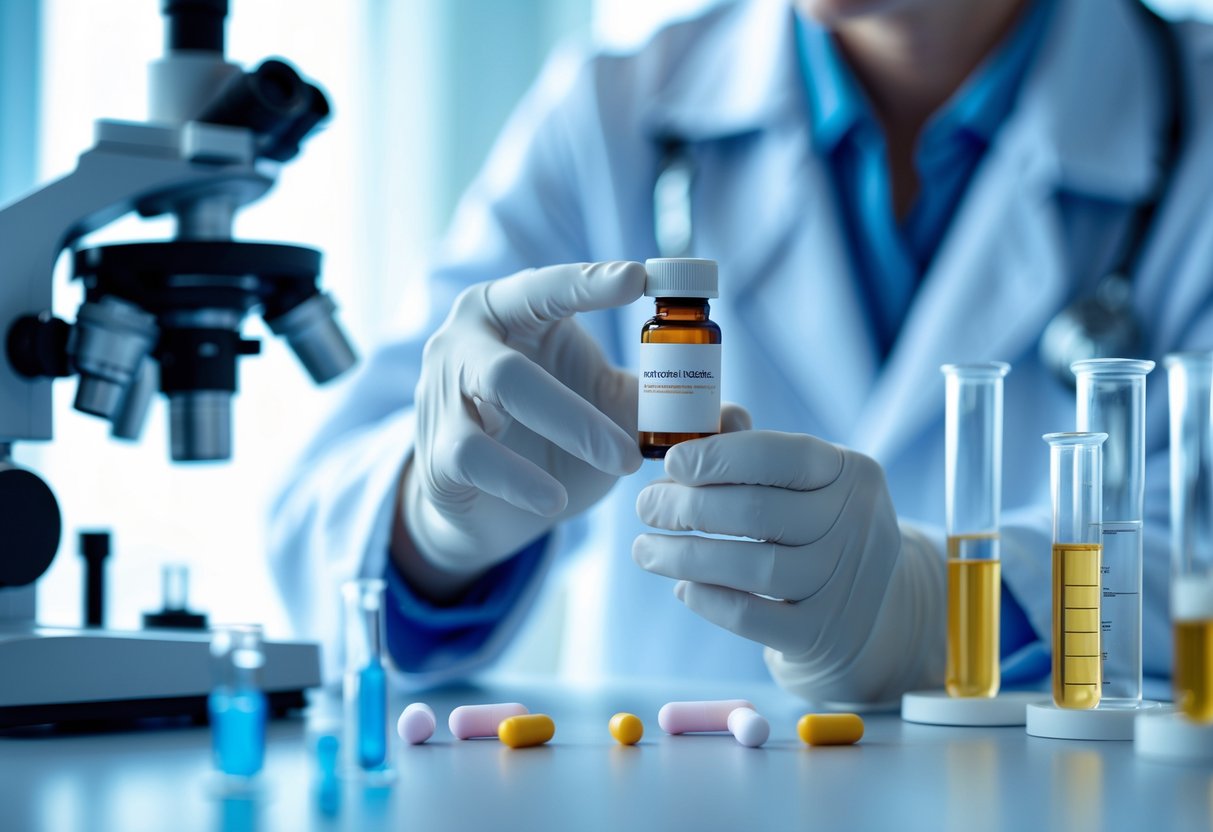
Aromatase inhibitors play a critical role in maintaining hormonal balance during post cycle therapy (PCT) by reducing estrogen levels. Understanding how different inhibitors work, their potential side effects, and appropriate usage is essential for effective recovery.
1. What functions do aromatase inhibitors serve in post cycle therapy for anabolic steroid users?
Aromatase inhibitors (AIs) are used to prevent the conversion of excess testosterone into estrogen. During steroid use, elevated testosterone levels often lead to estrogenic side effects such as gynecomastia and water retention. By blocking the aromatase enzyme, AIs ensure that estrogen levels remain controlled, facilitating hormonal stability during recovery.
2. How do Aromasin, Arimidex, and Letrozole mitigate the effects of excess estrogen post cycle?
Aromasin (exemestane), Arimidex (anastrozole), and Letrozole (femara) effectively lower estrogen by targeting the aromatase enzyme. Aromasin is a steroidal inhibitor that permanently deactivates aromatase, while Arimidex and Letrozole are non-steroidal inhibitors that temporarily block its function. Their use helps reduce symptoms like bloating, mood swings, and estrogen-related complications, ensuring a smoother recovery process.
3. Can you compare the efficacy of different aromatase inhibitors in managing estrogen levels during recovery?
Aromasin is often preferred for its mild suppression and lower risk of over-suppressing estrogen, which is crucial for maintaining some bodily functions. Arimidex offers moderate estrogen suppression and flexibility in fine-tuning doses. Letrozole is the most potent and is typically reserved for severe estrogen imbalances but can significantly reduce estrogen to near-zero levels if not carefully dosed.
4. What are the potential side effects of using aromatase inhibitors like Aromasin in post cycle therapy?
Common side effects include joint pain, fatigue, and decreased bone density due to reduced estrogen levels. Overuse or excessive suppression of estrogen can lead to mood disturbances and libido changes. In rare cases, long-term use might contribute to cardiovascular issues or negatively impact cholesterol levels, underscoring the importance of proper dosing and monitoring.
5. How long should aromatase inhibitors be used during the post cycle recovery phase?
The duration of AI use varies depending on the individual and the compounds used during the cycle. Most users take AIs for 4-6 weeks post cycle or until their hormonal levels normalize. Blood work is often recommended to track progress and determine when to taper or discontinue the inhibitor.
6. Are there specific dosage guidelines for aromatase inhibitors in the context of post cycle therapy?
Dosages depend on the specific AI being used and the individual's estrogen levels. Aromasin is typically dosed at 12.5-25 mg daily or every other day. Arimidex is often taken at 0.5-1 mg every other day, while Letrozole is more potent and generally used at 0.25-0.5 mg every other day. Adjustments should be based on symptoms and blood test results.