
 US domestic steroids - no customs
 Fast USA delivery
 Buy original steroids online USA
Choosing Between Clomid and Nolvadex for PCT: Benefits, Side Effects, and Dosage
Post cycle therapy (PCT) is a critical step for individuals recovering from a steroid or SARMs cycle, ensuring hormonal balance is restored effectively. Choosing between Clomid and Nolvadex for PCT depends on the recovery needs, tolerance, and goals of each individual. Both medications play a vital role in supporting natural testosterone production, though their mechanisms and effects vary.
Clomid (Clomiphene Citrate) and Nolvadex (Tamoxifen) are both Selective Estrogen Receptor Modulators (SERMs) used to restore hormonal balance after anabolic steroid cycles. In recovery-focused contexts, some individuals may also research how to buy clomid online for post cycle therapy and testosterone recovery as part of a structured and informed approach. They work differently but are fundamental in Post Cycle Therapy (PCT) to prevent long-term suppression of natural testosterone production.
Understanding the benefits, potential side effects, and recommended dosages for each drug helps users make an informed choice. Factors like cycle history, individual tolerance, and specific PCT goals shape the decision, ensuring optimal recovery and long-term hormonal health.
Understanding Clomid and Nolvadex for PCT
Clomid (Clomiphene Citrate) and Nolvadex (Tamoxifen) are both Selective Estrogen Receptor Modulators (SERMs) used to restore hormonal balance after anabolic steroid cycles. They work differently but are fundamental in Post Cycle Therapy (PCT) to prevent long-term suppression of natural testosterone production and maintain results.
Mechanism of Action
Clomid stimulates the release of luteinizing hormone (LH) and follicle-stimulating hormone (FSH) by blocking estrogen receptors in the hypothalamus. This signals the body to boost natural testosterone production.
Nolvadex works by binding to estrogen receptors in breast and other tissues, blocking estrogen's effects. While it doesn't directly increase testosterone, it reduces estrogen's feedback loop, indirectly aiding testosterone recovery.
Both SERMs are effective but target different pathways, which can influence individual response. Some users combine them for synergy.
Overview of Post Cycle Therapy
Post Cycle Therapy (PCT) is crucial for restoring hormonal balance after anabolic steroid or SARMs use. Without PCT, suppression of natural testosterone production can lead to fatigue, muscle loss, and emotional issues.
PCT often lasts 4-6 weeks, starting a few days after a cycle ends. Clomid and Nolvadex are cornerstones due to their ability to counter suppression. Their use depends on factors like cycle intensity, individual response, and severity of suppression.
Proper dosing and timing are essential for optimal results, as improper use can lead to side effects or insufficient recovery. Always follow structured plans.
Role in Hormone Recovery
Clomid is preferred for severe suppression cases, as it strongly triggers testosterone production. Typical doses range from 50-100 mg daily, tapered over several weeks. However, mood swings and vision issues may occur at higher doses.
Nolvadex suits milder suppression or as an adjunct to Clomid. Its gentler approach makes it easier to tolerate. Doses typically range from 20-40 mg per day. Fewer side effects, like nausea or headaches, are reported compared to Clomid.
Using them strategically helps normalize hormone levels while minimizing adverse effects. Balancing their roles ensures smoother recovery and retention of gains.
Comparing Effectiveness and Benefits
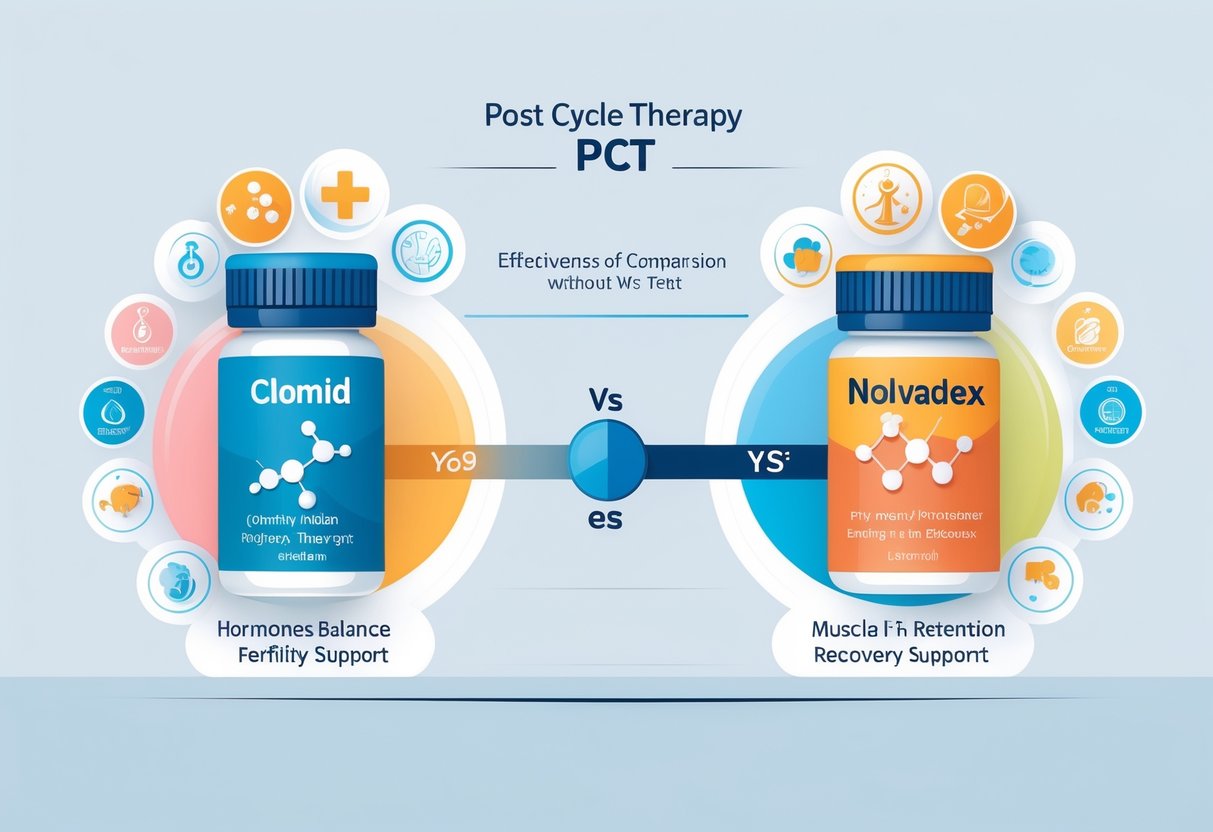
Clomid and Nolvadex are widely used in post-cycle therapy (PCT) for their ability to restore natural testosterone production and mitigate estrogen-related side effects. The following sections explore their efficacy, potential benefits, and impact on long-term recovery outcomes.
Efficacy in Restoring Testosterone
Clomid (Clomiphene Citrate) works by stimulating the release of luteinizing hormone (LH) and follicle-stimulating hormone (FSH), which directly promote testosterone production. It is often considered effective for addressing the suppressed hormonal axis caused by anabolic steroid use.
Nolvadex (Tamoxifen Citrate) also stimulates LH release but does so with a slightly different mechanism. It blocks estrogen receptors in the hypothalamus, which helps the body maintain testosterone levels.
Key Comparison:
-
Clomid is generally more potent in boosting testosterone but may cause mood swings and visual disturbances in higher doses.
-
Nolvadex is milder in hormonal stimulation, with fewer reported side effects, making it a preferred choice for those sensitive to Clomid’s effects.
Prevention of Estrogen-Related Side Effects
One of the main benefits of Nolvadex is its ability to prevent gynecomastia by blocking estrogen receptors in breast tissue. This makes it particularly effective in mitigating estrogen-related side effects like water retention and fat accumulation.
Clomid, while effective in addressing hormonal imbalances, is less specialized in combating localized estrogenic activity. It does reduce estrogen's influence by increasing testosterone, but its function in preventing gynecomastia is not as targeted as Nolvadex.
Key Considerations:
-
Nolvadex is preferred for users prone to gynecomastia due to its direct estrogen receptor blocking properties.
-
Clomid is better suited for individuals whose primary goal is restoring testosterone rather than preventing estrogenic effects.
Long-Term Results
For sustained testosterone recovery, Clomid's potent stimulation of LH and FSH often proves beneficial in more severe cases of hormone suppression. Its effectiveness can lead to quicker, more significant hormonal restoration in users with compromised natural production.
Nolvadex, while impactful in the short term, is considered more beneficial for mild to moderate suppression. Users often report fewer adverse effects over prolonged usage.
Pros and Cons:
-
Clomid: Offers higher recovery for severe suppression but may cause temporary side effects when used for extended periods.
-
Nolvadex: Balances mild recovery needs with improved tolerability, making it a better choice for sensitive individuals needing longer therapy durations.
Potential Side Effects and Safety Considerations
Both Clomid and Nolvadex are effective in post-cycle therapy (PCT), but their usage can come with side effects. Understanding these potential reactions and how to manage them is crucial for safe and effective recovery.
Common Side Effects of Clomid
Clomid (clomiphene citrate) is known for its strong impact on hormone modulation, which can lead to a variety of side effects. It may cause mood swings, such as increased irritability, anxiety, or depression, due to hormonal changes.
Visual disturbances are another notable concern. Some individuals report experiencing blurry vision, light sensitivity, or floaters, which may worsen with prolonged use.
Headaches and nausea are also reported in a significant number of users. These symptoms often subside after the medication is discontinued but can impact daily functioning during use.
The emotional and psychological effects can sometimes be intense, particularly at higher doses. Fatigue and dizziness may further contribute to discomfort.
Those with pre-existing conditions like liver dysfunction should use caution, as Clomid can put stress on the liver. Proper blood work is recommended to ensure safe use.
Common Side Effects of Nolvadex
Nolvadex (tamoxifen citrate) tends to have a milder side effect profile compared to Clomid. However, it may still cause nausea, hot flashes, and fatigue, particularly in the first few days of use.
Potential blood clot risks are a serious consideration, especially in individuals with a history of clotting disorders. Symptoms such as swelling, redness, or leg pain should not be ignored.
Some users report a reduction in libido and occasional mood disturbances, though these are less frequent compared to Clomid. Rarely, Nolvadex may negatively impact cholesterol levels in certain individuals.
Breast tenderness and mild muscle or joint pain can occur but usually resolve quickly without intervention.
Drug interactions with blood thinners or other medications should be reviewed to avoid complications.
Managing Adverse Reactions
To mitigate side effects, closely monitor dosages and adhere to recommended protocols. Lowering the dosage often reduces severity of symptoms like headaches or mood swings.
Hydration and balanced nutrition can help counteract fatigue and nausea. Adding supplements like fish oil may reduce risks associated with cholesterol or inflammation.
For visual disturbances linked with Clomid, consultation with a healthcare provider is essential. Temporary cessation may be recommended.
Individuals taking Nolvadex should report any signs of clotting immediately and consider periodic blood tests to track cholesterol and liver health.
Optimal Dosages and Protocol Recommendations
Selecting the right dosage and protocol for Clomid or Nolvadex in post-cycle therapy (PCT) depends on factors such as the compounds used during the cycle, individual health, and response to medications. Proper adjustment ensures effective hormonal recovery while minimizing side effects.
Standard Dosage Guidelines
For Clomid, the typical dosage starts with 50–100 mg per day for the first 1–2 weeks of PCT. After this initial period, the dosage is often reduced to 25–50 mg daily for an additional 1–2 weeks.
Nolvadex is commonly administered at 20–40 mg per day for the first half of PCT, tapering to 10–20 mg daily as the therapy progresses. This lower dosing helps mitigate prolonged estrogen receptor blockade while still promoting recovery.
The duration of PCT for both drugs frequently spans 4–6 weeks, depending on post-cycle suppression severity. Users recovering from harsher anabolic steroid cycles may require longer treatment periods.
Adjustments Based on Cycle and Individual Factors
The type of anabolic cycle greatly influences dosing adjustments. Individuals using heavy cycles of suppressive compounds like trenbolone or nandrolone often require higher or extended doses. For such cases, Clomid at 100 mg daily for two weeks may be maintained before tapering down.
Bodyweight, age, and hormonal sensitivity also determine dosage modifications. Older individuals or those with a greater degree of testosterone suppression may respond better to more conservative tapering schedules.
When Nolvadex is used alongside hCG (Human Chorionic Gonadotropin), it can help manage estrogenic side effects such as gynecomastia. However, avoiding overlap with high doses of hCG is critical, as it may worsen suppression if not timed correctly.
Choosing the Best PCT Drug for Your Needs
Nolvadex is often favored for its ability to block estrogen receptors in breast tissue, making it a better choice for those prone to gynecomastia. It also has fewer reports of vision-related side effects compared to Clomid.
Clomid, on the other hand, may provide a stronger stimulus for LH and FSH production, critical for restarting natural testosterone. Its use is ideal for individuals with severe suppression who need a potent recovery tool.
For certain cases, combining both medications can offer complementary benefits, ensuring a more balanced recovery approach. Individuals may also explore how to buy nolvadex online for estrogen control and hormonal balance depending on their needs, while maintaining a focus on responsible and informed use.
Frequently Asked Questions
Both Clomid and Nolvadex have unique benefits and potential drawbacks when used for PCT. Factors like individual response, side effects, dosage protocols, and long-term recovery goals play a critical role in determining the best choice for effective post-cycle recovery.
1. What are the primary benefits of using Clomid over Nolvadex for Post-Cycle Therapy (PCT)?
Clomid is known for its powerful ability to stimulate the release of hormones that restore natural testosterone production. It can boost testosterone by significant levels within a short time frame, making it particularly effective for those seeking rapid hormonal recovery after a cycle.
In contrast to Nolvadex, Clomid has a more aggressive approach, which some individuals may find beneficial for severe suppression or when faster results are desired.
2. Are there any distinct side effects of Nolvadex when compared to Clomid for PCT purposes?
Nolvadex generally has fewer severe side effects compared to Clomid. Users often report better tolerance, with fewer instances of emotional instability or mood swings.
Clomid, on the other hand, is more likely to cause vision disturbances, headaches, or mood-related side effects. Nolvadex’s gentler profile makes it a preferred option for individuals concerned about minimizing adverse reactions during PCT.
3. How do recommended dosages differ between Clomid and Nolvadex for effective post cycle recovery?
Clomid is typically started at higher doses, such as 50-100 mg per day, and gradually tapered down over a few weeks. This higher initial dosage corresponds with its aggressive mechanism in restarting testosterone production.
Nolvadex is generally prescribed at a lower dose, often starting at 20-40 mg per day. Its gradual and milder action reduces the risk of side effects, while still effectively aiding recovery over a similar timeframe.
4. What factors should be considered by individuals when choosing between Clomid and Nolvadex for PCT?
The decision often depends on the individual’s goals, severity of hormonal suppression, and previous experiences with these medications. Those seeking rapid recovery may prefer Clomid, while individuals sensitive to emotional or vision-related side effects often opt for Nolvadex.
Other factors, like the specific compounds used in the steroid cycle and the user’s overall health status, also influence the optimal choice between the two.
5. Can Clomid and Nolvadex be used interchangeably in a PCT regimen, or are there specific scenarios where one is preferable over the other?
While both drugs are effective at supporting hormonal recovery, they work through slightly different mechanisms. Clomid is ideal for severe suppression, whereas Nolvadex may be preferable for mild cases or for users who are more prone to side effects.
In some cases, the two drugs are used in combination to maximize recovery benefits. However, careful planning and dosing adjustments are essential when combining them.
6. What evidence is there to support the use of Clomid or Nolvadex for PCT in terms of long-term recovery and hormonal balance?
Clinical studies and decades of real-world use support the effectiveness of both Clomid and Nolvadex in restoring hormonal balance. Clomid has been shown to significantly boost gonadotropin levels, improving testosterone production.
Nolvadex is widely recognized for its role in preventing estrogenic side effects, while also aiding in testosterone restoration. Both drugs have proven reliable for promoting long-term hormonal stability when used correctly during PCT.