
 US domestic steroids - no customs
 Fast USA delivery
 Buy original steroids online USA
Building the Ideal PCT Stack: Effective Recovery Using SERMs, AIs, and Supplements

Post-cycle therapy (PCT) is a crucial step for athletes and bodybuilders looking to maintain muscle gains and restore their natural hormonal balance after completing a steroid cycle. An effective PCT stack combines selective estrogen receptor modulators (SERMs), aromatase inhibitors, and natural support supplements to optimize recovery and minimize side effects. By managing hormone levels and supporting overall health, a well-designed PCT stack can significantly improve post-cycle outcomes.
SERMs like Clomid and Nolvadex play a key role in jumpstarting natural testosterone production while helping to regulate estrogen levels. Aromatase inhibitors, on the other hand, work to reduce excess estrogen conversion and prevent hormonal imbalances. Natural supplements such as zinc, vitamin D, and herbal adaptogens can complement pharmaceutical interventions, providing additional support for the body’s recovery process and improving overall wellness.
A properly planned PCT not only minimizes unwanted side effects like hormone suppression but also preserves hard-earned muscle gains. Understanding when to use each component in the stack and tailoring the dosages based on individual needs is essential to achieving optimal recovery and maintaining long-term health.
Understanding the Role of PCT Stacks
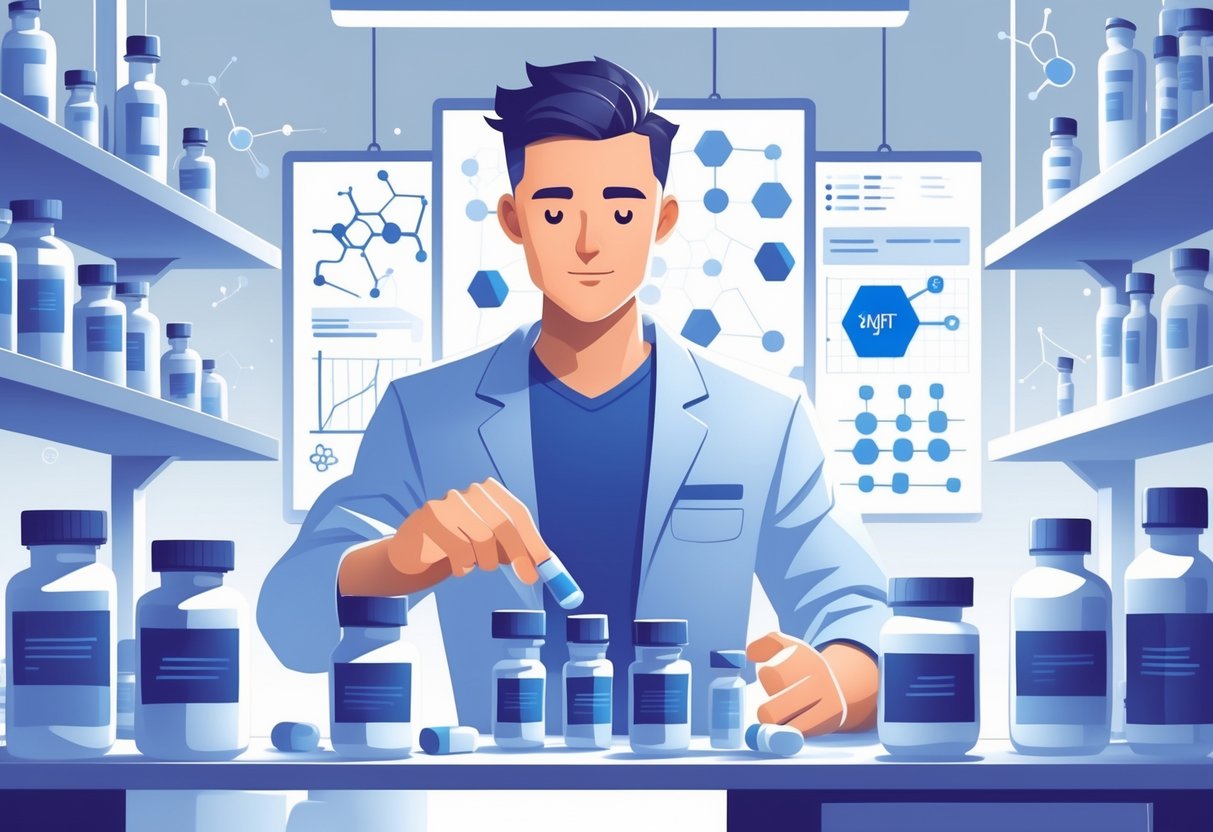
Post-Cycle Therapy (PCT) stacks are essential for addressing the hormonal imbalance caused by anabolic steroid or performance-enhancing drug (PED) use. Properly planned PCT strategies can help restore natural testosterone production, preserve muscle gains, and minimize potential health risks.
Why PCT Is Essential After a Cycle
After a steroid or PED cycle, the body’s natural testosterone production is often suppressed due to the introduction of external hormones. Without intervention, this suppression can lead to fatigue, loss of muscle mass, low libido, and even long-term hormonal damage.
PCT stacks aim to restore hormonal balance by stimulating natural testosterone production and reducing estrogen levels. They typically include Selective Estrogen Receptor Modulators (SERMs) like Clomid or Nolvadex to block estrogen receptors, helping the pituitary gland signal testosterone production again.
Another crucial component is managing high estrogen levels caused by aromatization. Aromatase inhibitors (AIs) such as Arimidex are often used to control this process, preventing side effects like gynecomastia and water retention.
Common Challenges in Post-Cycle Recovery
One common issue is the body’s delay in reactivating natural hormone production after a cycle, which can prolong periods of low energy and mood instability. Users may also experience difficulty maintaining muscle mass during recovery due to a drop in testosterone levels.
High estrogen levels pose additional problems, such as breast tissue growth or excessive water retention. If unaddressed, these side effects can exacerbate physical and psychological discomfort during recovery.
Another challenge is navigating the proper dosing and timing of PCT medications. Mismanagement can lead to incomplete recovery, worsening hormonal imbalances. Bloodwork is highly recommended as it helps monitor and adjust protocols based on individual needs.
Timing Your Post-Cycle Therapy
The timing of PCT largely depends on the compounds used in the steroid or PED cycle. For short-acting compounds, users can often begin PCT within a few days of their last dose. For longer-acting substances, waiting 1-3 weeks may be necessary to allow the body to clear residual hormones.
Starting PCT too early can lead to ineffective results, while delaying it too long increases the risk of prolonged suppression and irreversible side effects. Using bloodwork to assess testosterone and estrogen levels can help identify the optimal start time.
Typically, PCT lasts 4-6 weeks and requires consistent adherence to dosing schedules for maximum effectiveness.
Selecting SERMs for Optimal Recovery

Selective Estrogen Receptor Modulators (SERMs) are essential for restoring natural hormone production and preventing post-cycle estrogen-related issues. Effective use of SERMs not only aids in testosterone recovery but also mitigates unwanted side effects like gynecomastia and fatigue, helping users maintain their gains and overall well-being.
Popular SERMs and Their Mechanisms
Commonly used SERMs include Tamoxifen (Nolvadex) and Clomiphene (Clomid), both of which are trusted for their role in jumpstarting endogenous testosterone production.
Nolvadex binds to estrogen receptors in breast tissue, preventing estrogen from exerting negative effects such as gynecomastia. On the other hand, Clomid works by stimulating the release of luteinizing hormone (LH) and follicle-stimulating hormone (FSH) from the pituitary gland. These hormones are critical for kick-starting natural testosterone production after suppression during a cycle.
Each SERM has unique advantages. Nolvadex is often preferred for its lower risk of side effects, while Clomid is considered highly effective, particularly for individuals experiencing significant hormonal suppression.
Dosing Strategies and Duration
The right dosage and duration of SERM use depend on the type of cycle and degree of suppression. A standard protocol involves Nolvadex at 20-40 mg daily or Clomid at 50-100 mg daily, often tapered over 4-6 weeks to avoid abrupt hormonal fluctuations.
For mild suppression (e.g., from SARMs), lower doses like 20 mg of Nolvadex may suffice. However, for heavier cycles, combining Nolvadex with Clomid may enhance recovery. This dual approach leverages their complementary mechanisms for maximum testosterone stimulation.
It is essential to start SERMs shortly after the cycle ends, often 1-2 weeks after the last dose of long-acting compounds or immediately after short-acting substances, depending on the half-life of the drugs used.
Managing Side Effects of SERMs
While effective, SERMs can cause undesirable effects such as mood swings, vision disturbances, or nausea. Clomid, in particular, is associated with emotional symptoms like irritability or mood instability.
To minimize these risks, users can start with lower doses and increase gradually if needed. Splitting the dose throughout the day may also reduce gastrointestinal discomfort. Additionally, managing overall recovery through natural supplements like zinc and vitamin D can improve tolerance to SERMs while supporting hormone production.
Close monitoring of symptoms and blood work during the protocol can ensure safety and optimize results.
Incorporating Aromatase Inhibitors and Natural Support Supplements

A strong PCT stack not only restores hormonal balance but also mitigates estrogen-related side effects and promotes overall recovery. This involves strategically using aromatase inhibitors (AIs) alongside natural supplements for hormonal health, which can include specific vitamins and minerals.
Choosing and Using Aromatase Inhibitors
Aromatase inhibitors block the enzyme responsible for converting testosterone into estrogen, thereby preventing elevated estrogen levels post-cycle. Common AIs include Anastrozole (Arimidex), Exemestane (Aromasin), and Letrozole (Femara), each with varying strengths and effects.
The dosage depends on the compound and individual response. For example, Anastrozole is often started at 0.25-0.5 mg every other day, while Exemestane is typically dosed at 12.5-25 mg daily. Overuse should be avoided, as crashing estrogen levels can cause joint discomfort and negatively impact libido.
Timing use is crucial; aromatase inhibitors are often introduced during or in the early stages of PCT to control estrogen spikes. Pairing them with bloodwork monitoring ensures proper dosage adjustments.
Benefits of Natural Support Supplements
Natural support supplements play a complementary role in PCT by aiding in recovery without the side effects associated with pharmaceuticals. These supplements often focus on boosting endogenous testosterone production and minimizing oxidative stress.
Some popular ingredients include Fenugreek extract, known for its ability to naturally enhance testosterone, and Tribulus terrestris, which may support libido and androgen levels. Ashwagandha is another valuable addition for reducing cortisol levels while supporting stress management.
Including adaptogens and antioxidants can also protect tissues and reduce inflammation. Natural solutions are not a replacement for primary medications like SERMs or AIs but act as valuable enhancements to the overall recovery process.
Key Vitamins and Minerals for Hormonal Balance
Certain vitamins and minerals significantly influence hormonal recovery and should be part of the PCT protocol. Chief among them are:
-
Vitamin D: Enhances testosterone levels and supports immune function.
-
Zinc: Plays a vital role in enzyme activity related to testosterone synthesis.
-
Magnesium: Supports optimal sleep patterns and hormone regulation.
-
Vitamin E and Selenium: Provide antioxidant support to help reduce oxidative stress.
Creating a supplement routine that includes a high-quality multivitamin or standalone compounds can address any potential micronutrient deficiencies. These nutrients not only assist post-cycle recovery but also contribute to energy levels and overall health.
Monitoring Recovery with Bloodwork
Bloodwork is an essential component of maintaining health throughout PCT. Regular testing allows users to track testosterone, estrogen, and luteinizing hormone (LH) levels, providing clear insights into hormonal recovery.
Blood tests should be conducted before starting PCT, midway through, and after completing it. These results can guide adjustments to aromatase inhibitor dosages and ensure hormonal balance is restored effectively.
In cases of persistent abnormalities, additional adjustments or medical consultation might become necessary. Supplement and medication choices should always be reevaluated based on lab data.
Customizing and Monitoring Your PCT Stack
Designing an effective post-cycle therapy (PCT) stack requires fine-tuning for specific cycles, understanding individual hormonal responses, and maintaining long-term health. Careful adjustments and consistent monitoring ensure optimal recovery and hormonal balance.
Personalizing Stacks for Different Cycles
Each steroid or performance-enhancing compound has a unique suppressive impact on the endocrine system, which means PCT protocols must reflect the compounds used during the cycle. For instance, long-ester compounds like Testosterone Enanthate require more time for clearance, delaying the PCT start by about two weeks.
For harsher cycles that include multiple suppressive agents or 19-nor compounds like Trenbolone, stronger SERMs (e.g., Clomid or Nolvadex) may be prioritized to stimulate natural testosterone production. Including aromatase inhibitors (AIs) such as Arimidex can also be beneficial when tackling elevated estrogen levels common after certain cycles.
Short Cycles: Mild compounds like SARMs may require a scaled-back PCT with lighter doses of SERMs or natural testosterone boosters. This approach avoids over-exerting the system while restoring hormonal balance.
Adjusting Based on Individual Response
Not every individual reacts to PCT medications or supplements the same way. Baseline bloodwork is critical, as it helps measure pre-cycle hormone levels, ensuring the recovery plan aligns with the user's natural hormonal balance.
During PCT, monitoring testosterone and estrogen levels every few weeks through blood tests provides insight into progress. This data informs whether SERM or AI doses need adjusting to address underwhelming testosterone production or signs of estrogen rebound (e.g., bloating or gynecomastia).
Signs of Progress: Positive signs include improved energy, libido, and mood. If these are absent by the second week of PCT, reviewing hormone levels becomes crucial to identify underlying issues.
Long-Term Recovery and Health Maintenance
Post-PCT recovery doesn't end when medications are tapered. Long-term support supplements like zinc, magnesium, and ashwagandha can help sustain hormonal stability. Incorporating resistance training with moderate intensity and a nutrient-dense diet promotes sustainable recovery.
Regular health check-ups, including hormone panels every few months, ensure long-term stability and help catch any lasting imbalances. Staying vigilant about general wellness practices, including stress reduction and adequate sleep, further supports hormonal and overall health.
Frequently Asked Questions
An effective PCT stack requires careful selection of SERMs, aromatase inhibitors, and natural support supplements, all timed correctly to promote recovery while minimizing side effects. Attention to dosing protocols and the long-term hormonal impact of these components is crucial for restoring balance after a cycle.
1. What considerations should be made when choosing selective estrogen receptor modulators (SERMs) for post-cycle therapy (PCT)?
When selecting a SERM, factors like potency, half-life, and individual tolerance should be considered. Common options such as Nolvadex (tamoxifen) and Clomid (clomiphene) are widely used based on their effectiveness in stimulating natural testosterone production and blocking estrogen.
The choice between SERMs often depends on the extent of hormonal suppression and the potential risk of estrogen-related side effects. Consulting with a healthcare professional can help tailor the selection.
2. How do aromatase inhibitors function in PCT, and what are the best practices for their inclusion in a stack?
Aromatase inhibitors (AIs) reduce the conversion of testosterone into estrogen, helping to control estrogen levels post-cycle. They are often used to prevent symptoms like water retention, gynecomastia, and mood swings.
Common AIs include anastrozole and exemestane, both of which can be dosed based on the severity of estrogen-related side effects. Overuse should be avoided, as excessively low estrogen levels can lead to fatigue or joint pain.
3. What natural support supplements are recommended during PCT for optimal recovery?
Natural support supplements such as zinc, magnesium, and vitamin D can aid in restoring hormone levels and combating fatigue. Adaptogens like ashwagandha may help manage stress and improve overall recovery.
Products that support liver health, such as milk thistle and NAC (N-acetyl cysteine), are also advisable if the cycle included hepatotoxic substances. Combining these with a balanced diet and adequate hydration can enhance post-cycle recovery.
4. How should one time the introduction of different components in a PCT stack for maximum effectiveness?
The timing of PCT depends on the half-lives of the anabolic steroids used during the cycle. Generally, PCT starts a few days to two weeks after the last dose, depending on the specific compounds taken.
SERMs are usually introduced at the start of PCT, while AIs may be added concurrently or slightly staggered based on estrogen symptoms. Natural supplements should be taken consistently throughout the PCT period.
5. Are there specific dosing protocols that should be followed for SERMs and aromatase inhibitors during PCT?
Dosing protocols for SERMs often span several weeks, beginning with higher doses that gradually taper down. For instance, Nolvadex might start at 40 mg daily for two weeks, followed by 20 mg daily for another two weeks.
AIs are typically introduced at low doses, adjusted depending on the severity of side effects. For anastrozole, 0.5 mg every other day is a common starting point, with changes made based on individual response.
6. Can the use of PCT supplements impact long-term hormonal balance, and how can this be managed?
Improper use of PCT supplements, particularly overuse of AIs, can disrupt hormone levels long-term. This can lead to persistent low estrogen or hormonal imbalances.
To mitigate this, individuals should stick to proven protocols and avoid self-medicating without professional guidance. Regular bloodwork during and after PCT can monitor recovery and address any abnormalities promptly.